
We’ve all been there: reaching for a cherished wool garment, only to find it shrunk beyond recognition. The sting of that laundry mishap is real! But before you banish wool from your wardrobe altogether, hear this: gentle washing isn’t just about avoiding felting disasters. It’s about preserving the very qualities that make you love wool in the first place. Softness, breathability, natural warmth – gentle care unlocks them all, keeping your woolens snug and happy for years to come.
In this guide, we will explore the art of washing wool, ensuring that its inherent qualities are preserved for lasting comfort.
What are the properties of wool?
Before we lay out the methods of washing wool, we must first learn about its properties. This way, we know more about the material we are dealing with.
Wool possesses a variety of unique properties that make it a highly desirable and versatile natural fiber for various applications. Here are some key properties of wool:
-
- Natural Warmth
Wool is an excellent insulator, providing natural warmth. Its fibers trap air, creating a layer of insulation that helps regulate body temperature in both warm and cold conditions.
-
- Breathability
Wool fibers have a natural ability to wick away moisture from the body. This breathability keeps the wearer comfortable by preventing the accumulation of sweat and promoting airflow.
-
- Resilience
Wool fibers are highly resilient and elastic. They can withstand repeated bending and flexing without losing their shape, making wool garments resistant to wrinkles and deformation.
-
- Soft Texture
Wool has a naturally soft and luxurious feel, making it comfortable to wear directly against the skin. The fine fibers contribute to the softness that sets wool apart from other materials.
-
- Moisture-Wicking
Wool has the ability to absorb and release moisture vapor. This moisture-wicking property helps keep the body dry by drawing sweat away from the skin and allowing it to evaporate.
-
- Odor Resistance
Wool fibers have natural antimicrobial properties that make them resistant to odor. This is beneficial in preventing the buildup of unpleasant smells, even after prolonged use.
-
- Fire Resistance
Wool is naturally flame-resistant, as its fibers contain a high concentration of water. It will not readily ignite or support combustion, providing an added safety feature.
-
- UV Protection
Wool has inherent UV-blocking properties, providing protection against the harmful effects of ultraviolet radiation from the sun.
-
- Dye Retention
Wool has excellent dye retention capabilities, allowing it to absorb and retain color effectively. This results in vibrant and long-lasting hues in wool garments.
-
- Biodegradability
Wool is a biodegradable and renewable resource. It decomposes naturally, contributing to environmental sustainability.
These properties collectively make wool a sought-after material for a wide range of products, from clothing and blankets to carpets and upholstery. Its combination of comfort, functionality, and sustainability sets wool apart as a unique and valuable natural fiber.
Why should we wash wool items gently?
There are several reasons why you should wash wool items gently, although the bottom line is just that it keeps our wool items in good shape. Let’s explore the details of this below:
- Preservation of Fiber Structure
Wool fibers have microscopic scales that, if treated roughly, can catch and interlock, leading to felting, shrinkage, and damage.
- Prevention of Shrinkage
Wool has a tendency to shrink when exposed to heat and agitation. Gentle washing minimizes this risk.
- Retaining Softness
Harsh washing methods can strip wool of its natural oils, affecting its softness. Gentle washing preserves the luxurious texture.
- Avoiding Color Fading
Wool is prone to color fading if exposed to harsh chemicals or excessive heat during washing.
- Preventing Felting
Agitation and friction during washing can cause wool fibers to felt, resulting in a dense and distorted fabric.
- Maintaining Moisture-Wicking Properties
Harsh detergents can compromise wool’s ability to wick away moisture, affecting its breathability.
- Safeguarding Against Damage
Wool is delicate, and harsh washing methods can lead to pilling, stretching, or distortion of the fabric.
- Ensuring Longevity
Proper care, including gentle washing, helps extend the lifespan of wool items.
Simply put, gentle washing is crucial to maintain the unique properties of wool and prevent potential damage. By treating wool items with care, you ensure they retain their natural warmth, breathability, softness, and overall quality for an extended period.
How do we properly wash wool?
Step 1. Check the care label.
Always start by checking the care label on your wool item. This label provides specific instructions and recommendations for washing that particular garment. Follow these instructions closely to avoid any potential damage.
Step 2. Sort wool items
Sort wool items based on color and type. This step is crucial to prevent color bleeding and ensure that garments with similar care requirements are washed together. This is a simple but effective step to maintain the quality of your wool pieces.
Step 3. Pre-washing instructions
-
- Identify and treat stains
Inspect your wool items for stains and address them before washing. Use appropriate stain removal techniques based on the nature of the stain.
-
- Use the right detergent
Choose detergent that is specifically designed for wool or one that is labeled as “gentle” or “mild.” Harsh chemicals can damage wool fibers, so opt for a detergent that maintains the fabric’s integrity.
Step 4. Washing your wool
Now that we have prepared the wool items for washing, it is time that we wash them. But before that, we need to know how we are going to wash them, right?
What are the common methods to washing wool?
Wool can either be handwashed or machine-washed. When in doubt, always check the label. Once you are certain on the method to use for your specific wool items, you can proceed with washing it, by hand or with a washing machine.
Below, we will guide you step-by-step on how to wash your wool.
A. Handwashing wool: A step-by-step guide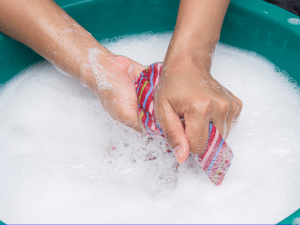
-
-
- Fill the Basin with Cool Water
-
Fill a basin or sink with cool water. Avoid using hot water, as it can cause wool to shrink.
-
-
- Add Mild Detergent
-
Add a small amount of mild detergent specifically designed for wool. Be sure to follow the recommended dosage on the detergent packaging.
-
-
- Submerge the Wool Item
-
Gently submerge the wool item in the soapy water, ensuring it is fully immersed.
-
-
- Soak Briefly
-
Allow the wool item to soak for a short period, typically 5-10 minutes. This helps loosen dirt and allows the detergent to work.
-
-
- Gently Agitate the Water
-
Gently agitate the water with your hands to distribute the detergent. Avoid excessive movement to prevent friction and damage to the fibers.
-
-
- Rinse Thoroughly
-
Drain the soapy water and refill the basin with clean, cool water. Gently lift and press the wool item to release excess detergent. Repeat this process until the water runs clear.
-
-
- Gently Press Out Excess Water
-
Carefully lift the wool item from the water and gently press out excess water. Avoid wringing or twisting, as this can damage the fibers.
-
-
- Lay Flat to Dry
-
Lay the wool item flat on a clean, dry towel. Reshape the garment if necessary to maintain its original form.
-
-
- Minimize Friction During Drying
-
To minimize friction and potential damage, avoid hanging wool items to dry. Instead, lay them flat on a clean, dry surface.
-
-
- Allow Sufficient Drying Time
-
Wool items may take some time to dry. Ensure they are completely dry before storing or wearing them again.
Following these steps ensures that your wool items are gently cleaned and well-maintained, preserving their natural properties and extending their lifespan.
B. Machine washing wool: How do you do it?
Loading wool garments into the washing machine requires a careful approach to prevent damage and maintain the integrity of the fibers.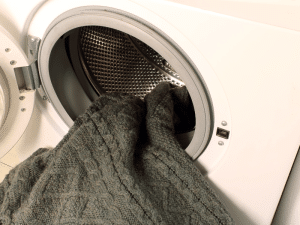
Here are the steps to load wool garments into the washing machine:
-
-
- Turn Garments Inside Out
-
Turn each wool garment inside out before placing it in the washing machine. This helps minimize friction and protects the outer surface of the fabric.
-
-
- Close Zippers and Fasten Buttons
-
Close zippers and fasten buttons on wool garments to prevent snagging and potential damage to the fabric during the wash.
-
-
- Use a Mesh Laundry Bag
-
Place smaller wool items, such as socks or delicate accessories, inside a mesh laundry bag. This provides an extra layer of protection and prevents items from snagging or tangling during the wash.
-
-
- Choose a Wool-Specific Detergent
-
Select a detergent specifically formulated for wool or one labeled as “gentle” or “mild.” Harsh detergents can damage wool fibers, so choosing the right detergent is crucial.
-
-
- Select the Delicate Cycle
-
Set your washing machine to the delicate or wool cycle. The delicate cycle is designed to provide a gentle wash, reducing the risk of damage to wool fibers.
-
-
- Avoid Overloading
-
Do not overload the washing machine. Leave enough space for water and detergent to circulate freely around the wool items. Overloading can lead to inadequate cleaning and potential damage.
-
-
- Minimize Spin Speed
-
Reduce the spin speed of the washing machine. Lower spin speeds are gentler on wool garments and help prevent excessive stress on the fibers.
-
-
- Monitor the Washing Machine
-
Stay near the washing machine during the cycle to ensure that everything is progressing smoothly. If you notice any unusual sounds or issues, pause the machine and inspect the load.
-
-
- Remove Promptly
-
As soon as the cycle is complete, promptly remove the wool items from the washing machine. Leaving them sitting in the machine can lead to wrinkles and potential damage.
By following these steps, you can load wool garments into the washing machine in a way that minimizes the risk of damage and preserves the quality of the fibers.
Final Thoughts
In this post, we learned that by understanding the unique properties that make wool and adopting gentle washing techniques, we not only safeguard the intrinsic qualities of the material but also contribute to the prolonged life and sustainability of your wool garments. Remember, proper care is not just a routine; it’s a pledge to preserve the soul of wool. So, with thoughtful care, you can ensure that your wool items retain their warmth, breathability, and softness—qualities that define the very essence of this remarkable natural fiber.

0 Comments